
Buying Checklist · Makeup & Fragrance
How to Choose a Perfume Online Without Smelling It First
Buying fragrance online means choosing from words, not scent. How to read a note pyramid, what EDT and EDP really mean, how to test safely and how to avoid an expensive mistake.
Published 6 min read
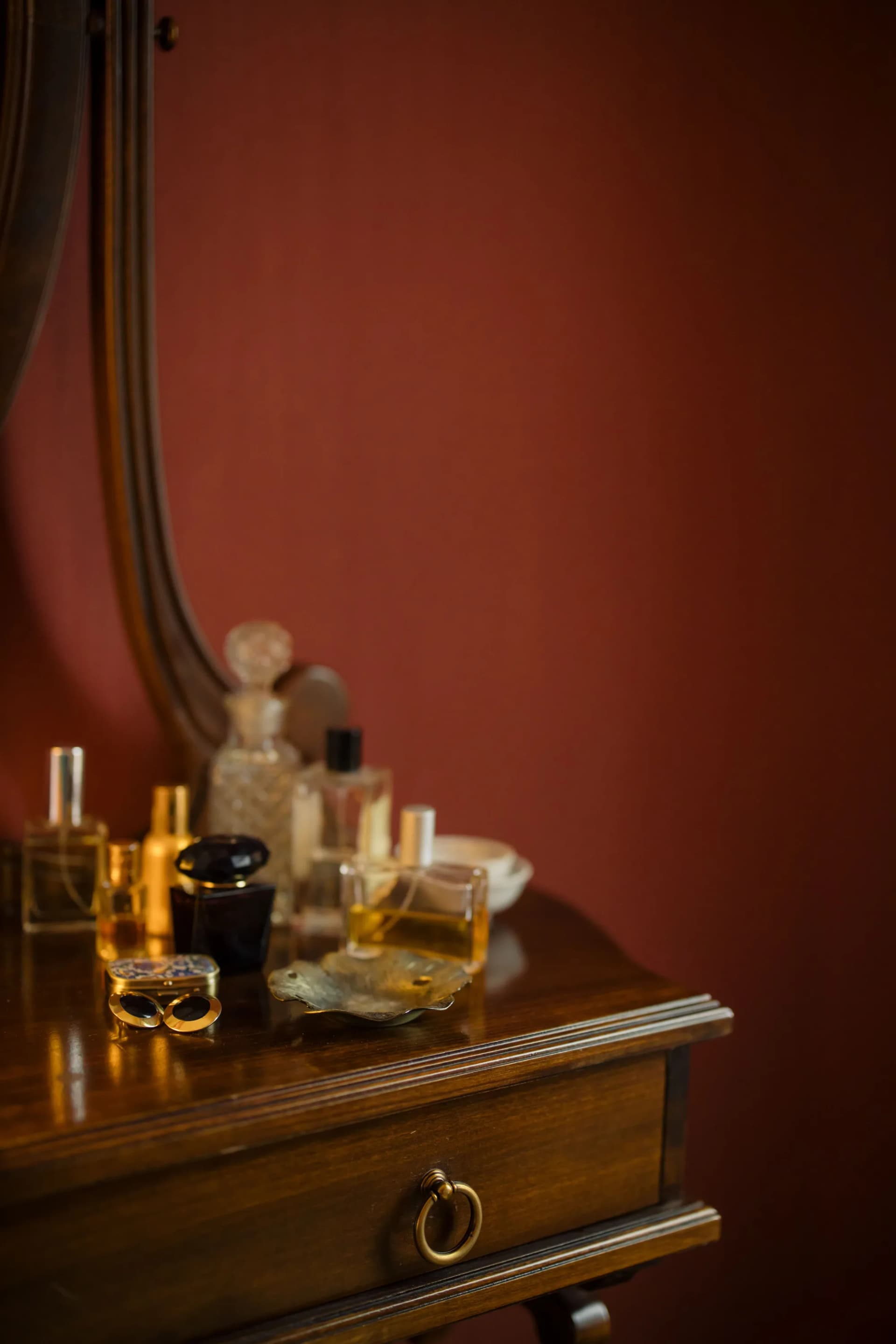
The quick answer
To choose a perfume online, start from scents you already know you like, compare the published notes and fragrance family, and treat EDT and EDP as rough guides rather than fixed strengths. Buy a mini, travel spray or sample before a full bottle, patch test if your skin is sensitive, and buy from a listing sold by the brand or the retailer itself.
Key takeaways
- A note pyramid tells you a fragrance's style, not exactly how it will smell on you.
- 'Eau de toilette' and 'eau de parfum' aren't standardized terms; brands set their own concentrations.
- In the U.S., fragrance ingredients can be listed simply as 'fragrance', so labels won't name every potential allergen.
- A mini or travel spray is the cheapest way to avoid a full bottle you don't wear.
Choosing a fragrance in a store is hard enough. Online, you're choosing from a bottle photo and a few words. The good news is that those words — the notes, the fragrance family, the concentration — are more useful than they look, as long as you know what they can and can't tell you. This guide walks through each one, then covers the steps that save money: trying small first, checking the seller and storing your bottle well.
Start from what you already like
The most reliable guide to a new fragrance is a fragrance you already wear, or one you've noticed on someone else and liked. Look up its published notes and fragrance family, then look for new options that share two or three of them. If you've never found one you love, think about scents you like outside of perfume — citrus peel, fresh laundry, vanilla, cut grass, a particular flower — and use those words as your starting point.
How to read a note pyramid
Most fragrances are described in three layers:
- Top notes are what you notice first, in the opening minutes. Citrus, light fruits and fresh herbs often sit here.
- Heart notes (or middle notes) define the character once the opening fades — often florals.
- Base notes are the slower, deeper layer that lingers: woods, musk, vanilla, amber.
A pyramid is a description, not a recipe, and different retailers sometimes list the same fragrance with slightly different notes. Use it to judge style — fresh or warm, fruity or green, light or rich — rather than to predict exactly how it will smell on your skin.
| Family | Typical notes | May suit you if you like |
|---|---|---|
| Fresh / citrus | Lemon, bergamot, mandarin, mint | Clean, bright, daytime scents |
| Floral | Jasmine, rose, lily, peony, violet | Classic perfume, from soft to full |
| Fruity floral | Berries, pear, mango with florals | Sweet but light, playful scents |
| Woody | Cedar, sandalwood, vetiver | Dry, calm, less sweet scents |
| Warm / gourmand | Vanilla, amber, tonka, brown sugar | Cozy, sweet, evening scents |
What EDT and EDP actually tell you
Labels such as eau de toilette (EDT) and eau de parfum (EDP) describe how concentrated a fragrance is, but they aren't standardized. Perfumers quoted by Marie Claire note there's no official rule separating the two, and the ranges brands use overlap. Within one brand's line, an EDP is usually the more concentrated version — but the formula often differs too, so an EDT and EDP with the same name can smell noticeably different.
In practice: compare the specific fragrances, not just the label, and check which version a listing is for. Many fragrances are sold as an EDT, an EDP and sometimes an "intense" version with nearly identical bottles.
Try small before you buy big
Lower-risk ways to try a fragrance
- Buy a mini, rollerball or travel spray first, where the brand offers one.
- Look for discovery sets that include several fragrances from one line.
- Wear it for a full day before deciding; the opening isn't the whole fragrance.
- Try it on your own skin; it can smell different on you than on a blotter or a friend.
- Check the return policy, which is often stricter for opened fragrance.
Sensitive skin and fragrance allergy
Fragrance ingredients are one of the more common causes of allergic contact dermatitis; a clinical review describes how it's diagnosed with patch testing. Labels don't make screening easy. FDA notes that in the U.S., fragrance ingredients may be listed simply as "fragrance" on cosmetic labels, and ingredients that the EU requires brands to flag as allergens may not be named.
If your skin is sensitive, test a new product on a small area before wider use, keep fragrance off broken or irritated skin, and consider spraying it on clothing instead. If you get a rash, stop using it and see a dermatologist if it doesn't settle.
Check the listing and the seller
Fragrance is a category where the details in a listing matter:
- Name and version. Confirm the exact fragrance, concentration (EDT, EDP, parfum) and size in the title. Similar names in the same line are easy to confuse.
- Seller. Buying from a listing sold by the brand or the retailer itself lowers the risk of counterfeit or old stock.
- On arrival. Check that the box is sealed and the bottle, cap and labeling look right. If anything seems off, contact the seller and use the return process.
Be cautious with products sold as "inspired by" or "dupes" of famous perfumes, especially ones with look-alike names or packaging, and with listings that promise effects on attraction. Neither is something we can verify, and we don't recommend them.
Store it well
FDA notes that heat and sunlight can make cosmetics deteriorate before their expected shelf life. Keep bottles capped, out of direct sun and away from radiators and the shower. A drawer or closed cabinet is better than a sunny dresser, however pretty the display — our guide to organizing a vanity covers storage zones.
The bottom line
Start from fragrances you know you like, use the note pyramid to judge style, and treat EDT and EDP as rough labels rather than promises. Try a small size first, patch test if your skin is sensitive, and buy from a trustworthy seller. When you're ready to compare specific options, our guide to fresh floral perfumes lines up five popular fragrances by their published notes, and our body mist vs. perfume guide covers lighter, lower-cost ways to wear scent. To combine scents, see scent stacking.
Frequently asked questions
Is eau de parfum always stronger than eau de toilette?
Usually more concentrated within the same brand's line, but the terms aren't standardized. Wear time also depends on the formula, your skin and where you apply it, so compare the specific fragrances rather than the label alone.
Why does a perfume smell different on me than on a friend?
Skin, body temperature and the products you layer underneath all affect how a fragrance develops. That's why trying a small size on your own skin is more useful than any description.
Can perfume cause a skin reaction?
Yes. Fragrance ingredients are a well-known cause of allergic contact dermatitis. If your skin reacts, stop using the product; you can spray fragrance on clothing instead, and a dermatologist can patch test to find the cause.
Where should I store perfume?
Somewhere cool and out of direct sunlight, with the cap on. FDA notes that heat and sunlight can cause cosmetics to deteriorate before their expected shelf life, so a sunny windowsill or a steamy bathroom shelf isn't ideal.
How this guide was researched
This guide is based on independent research of the sources listed below. We did not conduct hands-on testing of products for this article. Content is general information, not medical advice; talk to a dermatologist or other qualified clinician about specific skin concerns. Read our editorial policy.
Sources
Factual claims in this guide are based on the following references. Links open the original source.
- Fragrances in Cosmetics — U.S. Food and Drug AdministrationSupports: Fragrance ingredients may be labeled simply as 'fragrance'; some components can cause allergic reactions; consider fragrance-free products and check ingredient lists.
- Allergens in Cosmetics — U.S. Food and Drug AdministrationSupports: Fragrance ingredients that the EU requires to be identified as allergens may not be named on U.S. labels.
- Cosmetics Safety Q&A: Shelf Life — U.S. Food and Drug AdministrationSupports: Heat and sunlight can cause products to deteriorate before their expiration date.
- Fragrance contact allergy: a clinical review — PubMedSupports: Fragrance allergy is common and is diagnosed with patch testing.
- How to test skin care products — American Academy of DermatologySupports: Testing a new product on a small area of skin before wider use.
- This is the real difference between eau de toilette and eau de parfum, according to perfumers — Marie Claire UKSupports: Perfumers say there is no official standard separating EDT and EDP; concentration ranges overlap.
Written by
Editor, The Gilded Skin
Elise Marlowe is the editor of The Gilded Skin. She researches beauty tools, skincare routines and vanity organization, reads the dermatology and regulatory sources behind each guide, and writes about what is worth buying and who should skip it. She is not a dermatologist, and her guides say clearly when they are based on research rather than hands-on testing.
More from EliseKeep reading

Comparison · Makeup & Fragrance
Daisy, Daisy Dream, Ever So Fresh, Perfect or Acqua di Gioia? Fresh Florals Compared
Five popular fresh floral perfumes side by side by their published notes and concentration: Marc Jacobs Daisy, Daisy Dream, Daisy Ever So Fresh and Perfect, and Armani Acqua di Gioia.
· 6 min read

Comparison · Makeup & Fragrance
Body Mist vs. Perfume: Which Should You Buy?
Body mists cost less and feel lighter; perfume is more concentrated and comes in smaller bottles. How the two compare, what's in a typical body mist, and when each makes sense.
· 5 min read
How-To · Makeup & Fragrance
Scent Stacking: How to Layer Fragrances for a Signature Scent
Pinterest named 'scent stacking' a top 2026 beauty trend. Here's how to layer perfumes, oils and body products into a personal scent — and how to avoid irritation.
· 3 min read