
Category Guide · Beauty Tools
At-Home Ultrasonic Skin Devices: How They Work and What to Expect
Korean ultrasound devices are a growing at-home beauty trend. Here's how ultrasonic facial devices work, what they realistically do, and what to check before you buy one.
Published 3 min read
The quick answer
At-home ultrasonic devices glide over skin with a gel or serum and use gentle sound-wave vibration. The most plausible benefit is a pleasant massage and possibly helping products feel more absorbed; they are not equivalent to in-clinic ultrasound tightening treatments, and claims of dramatic lifting or exact percentage improvements usually come from brands. Check safety warnings, session time and returns before buying.
Key takeaways
- Home ultrasonic devices are far less powerful than clinical ultrasound treatments.
- Their most realistic benefits are massage and a smoother, more hydrated feel.
- Treat precise percentage claims as brand claims unless you can see independent studies.
- They require a conductive gel or serum, which is an ongoing cost.
Ultrasonic facial devices — many of them from Korean brands — have become a popular step in at-home routines. They're easy to use and feel pleasant, but the marketing can blur the line between a home gadget and a clinic treatment.
How ultrasonic devices work
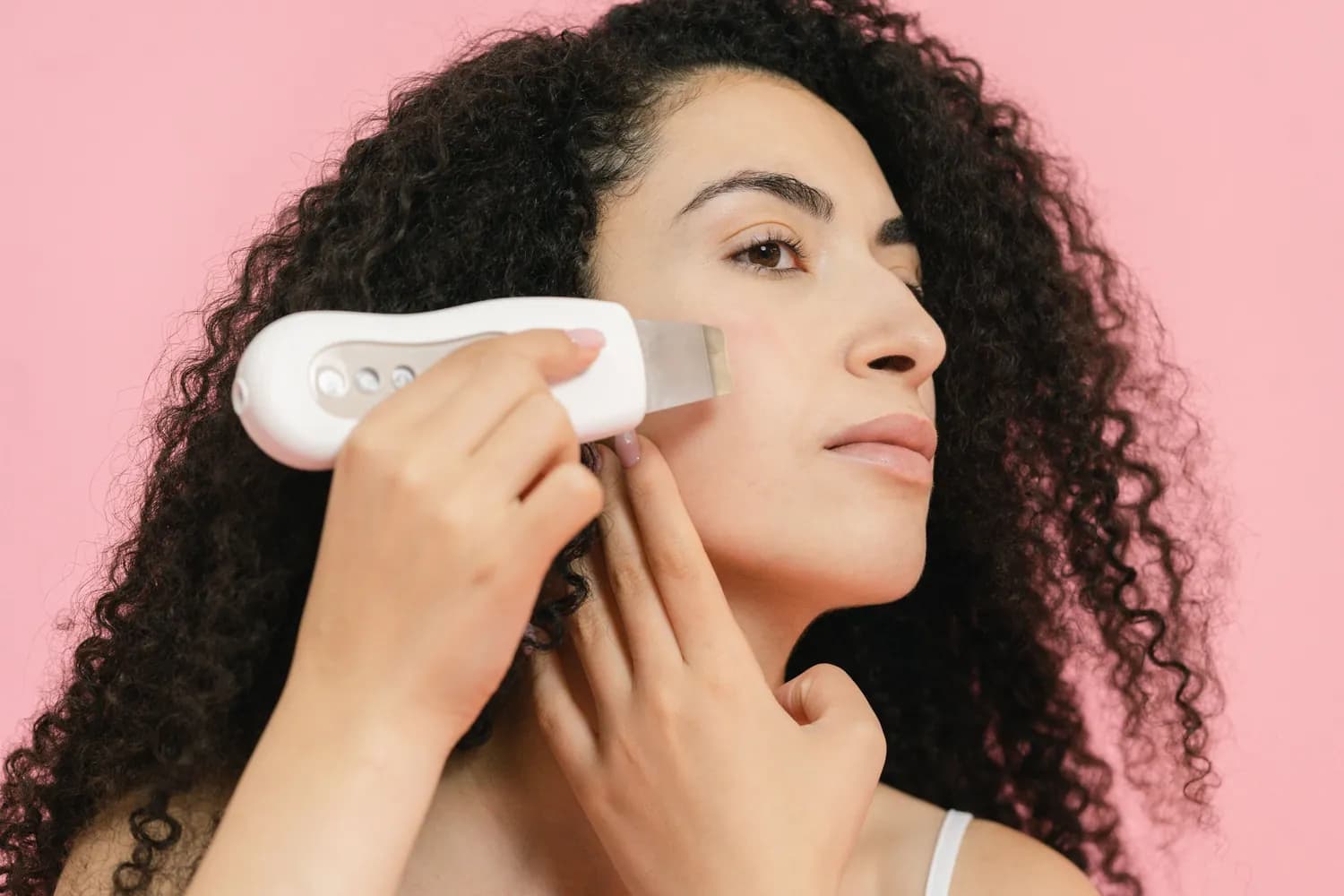
You apply a gel or serum, then glide the device's metal head slowly over your skin. It vibrates at ultrasonic frequencies — too fast to hear — producing gentle, high-frequency vibration on the surface. Sessions typically last several minutes per area.
Home device vs. in-clinic ultrasound
| Consideration | At-home device | In-clinic treatment |
|---|---|---|
| Energy | Low, designed for unsupervised use | Much higher, focused energy |
| Who uses it | You | Trained professionals |
| Typical goal | Massage, comfort, product application | Skin tightening and lifting |
| Evidence | Limited, mostly brand-reported | Studied for specific clinical devices |
In medicine, ultrasound has been studied for helping substances move into the skin, but that research uses clinical equipment and specific drug molecules. Whether a home device meaningfully changes how a cosmetic serum works is not well established.
Reading the claims
Some brands quote precise figures, such as large percentage increases in absorption or elasticity. Unless you can see an independent study — including who funded it, how many people took part and whether there was a comparison group — treat those numbers as marketing. Devices that make medical claims should have an FDA record you can check in the 510(k) database; clearance itself is explained on FDA's 510(k) page.
A device we've researched
The THOME device below uses ultrasound rather than light. We found no FDA 510(k) record for it, and we treat the brand's numerical claims with caution — its realistic appeal is as a well-designed massage-and-application tool.
THOME The Glow Signature
by THOME
Best for: People who enjoy a device-based massage step and already use serums or gels
A Korean ultrasound skincare device that you glide over skin with a gel or ampoule for about 12 minutes. THOME, run by athome Co., Ltd., sells it at Sephora in the US, and the design won a Red Dot award. The brand describes dual-frequency ultrasound with three modes. It doesn't use light, and we found no FDA 510(k) record for it, so its performance claims rest on the company's own data.
- Ultrasound device; THOME's US launch materials describe 3MHz + 10MHz dual-frequency ultrasound
- Three modes named by the brand: Focus (radiance), Inner (hydration) and Tension (elasticity)
- About 12 minutes per session, used with THOME's Boost Ampoule or another conductive gel
- 137g body with an angled head; retailer listings give a 3.7V 1400mAh rechargeable battery
- Described as fully waterproof for cleaning in its Red Dot design award entry
Product details last checked October 12, 2026. Price and availability can change — check the listing.
Strengths
- Comes from an established brand with mainstream US retail (Sephora), and the Amazon seller (athome corporation) matches the company behind THOME
- Lightweight, cordless and waterproof, so it's easy to clean
- A mode-based design keeps the routine simple
Limitations
- Performance claims, including the brand's 'up to 1900%' heat-shock-protein figure and firming wording, come from company data we couldn't independently verify
- No FDA 510(k) record found; it is sold as a cosmetic device
- Needs a gel or ampoule every session, which is an ongoing cost
- Premium-priced in a category with little independent research
- The official site (thome.kr) is in Korean, so English specifications come from retailers and press materials
May suit you if…
- People who enjoy a device-based massage step and already use serums or gels
- Anyone who wants a waterproof, easy-to-clean tool
Consider skipping it if…
- You want a device with FDA clearance or independent clinical evidence behind its claims
- You are pregnant, have an implanted electronic device or have irritated or broken skin in the area; read the manual's cautions and ask a clinician first
- You won't keep up 12-minute sessions
Check before you buy
- Check that the seller is THOME's own Amazon store (athome corporation)
- Make sure an English manual is included and read the cautions before first use
- Treat 'firm-looking', 'glass glow' and percentage figures as marketing
- Factor in the cost of Boost Ampoules or a compatible gel
Before you buy
Ultrasonic device checklist
- Read the warnings and contraindications in the manual.
- Check session length and how often the brand recommends using it.
- Count the cost of the gel or ampoule it needs.
- Check battery life, charging and water resistance.
- Look for a warranty and a return window long enough to try it.
- Avoid broken, irritated or inflamed skin, as with any tool.
The American Academy of Dermatology notes that tools other than fingertips can irritate skin, so use gentle pressure and stop if your skin reacts. For a broader framework, see our at-home facial device checklist, or compare with red light wands and masks.
The bottom line
An at-home ultrasonic device can be an enjoyable part of a skincare ritual, especially if you like massage-style tools. Just don't confuse it with a clinical treatment, be skeptical of precise percentage claims, and factor in the ongoing cost of gels. If you want simpler and cheaper, a facial roller or gua sha gives you the massage without the electronics.
Frequently asked questions
Is an at-home ultrasound device the same as an in-clinic ultrasound facial?
No. In-clinic ultrasound tightening uses much higher energy delivered by trained professionals. Home devices are designed for gentle, unsupervised use.
Do ultrasonic devices help serums absorb?
Ultrasound is studied in medicine for helping substances cross the skin, but that research uses clinical equipment and specific drugs. Whether a home device meaningfully changes how a cosmetic serum works isn't well established.
Are ultrasonic facial devices safe?
Follow the manufacturer's warnings and contraindications, avoid broken or irritated skin, and stop if anything feels uncomfortable.
How this guide was researched
This guide is based on independent research of the sources listed below. We did not conduct hands-on testing of products for this article. Content is general information, not medical advice; talk to a dermatologist or other qualified clinician about specific skin concerns. Read our editorial policy.
Sources
Factual claims in this guide are based on the following references. Links open the original source.
- Premarket Notification 510(k) — U.S. Food and Drug AdministrationSupports: How FDA clearance works for devices making medical claims.
- 510(k) Premarket Notification Database — U.S. Food and Drug AdministrationSupports: Checking whether a device has a clearance record.
- Face washing 101 — American Academy of DermatologySupports: Gentle handling of facial skin; tools can irritate.
Written by
Editor, The Gilded Skin
Elise Marlowe is the editor of The Gilded Skin. She researches beauty tools, skincare routines and vanity organization, reads the dermatology and regulatory sources behind each guide, and writes about what is worth buying and who should skip it. She is not a dermatologist, and her guides say clearly when they are based on research rather than hands-on testing.
More from EliseKeep reading
Buying Checklist · Tools
What to Consider Before Buying an At-Home Facial Device
Before spending on an LED mask, cleansing brush or other facial device, work through these questions about evidence, safety, time, ongoing costs and returns.
· 4 min read
Comparison · Tools
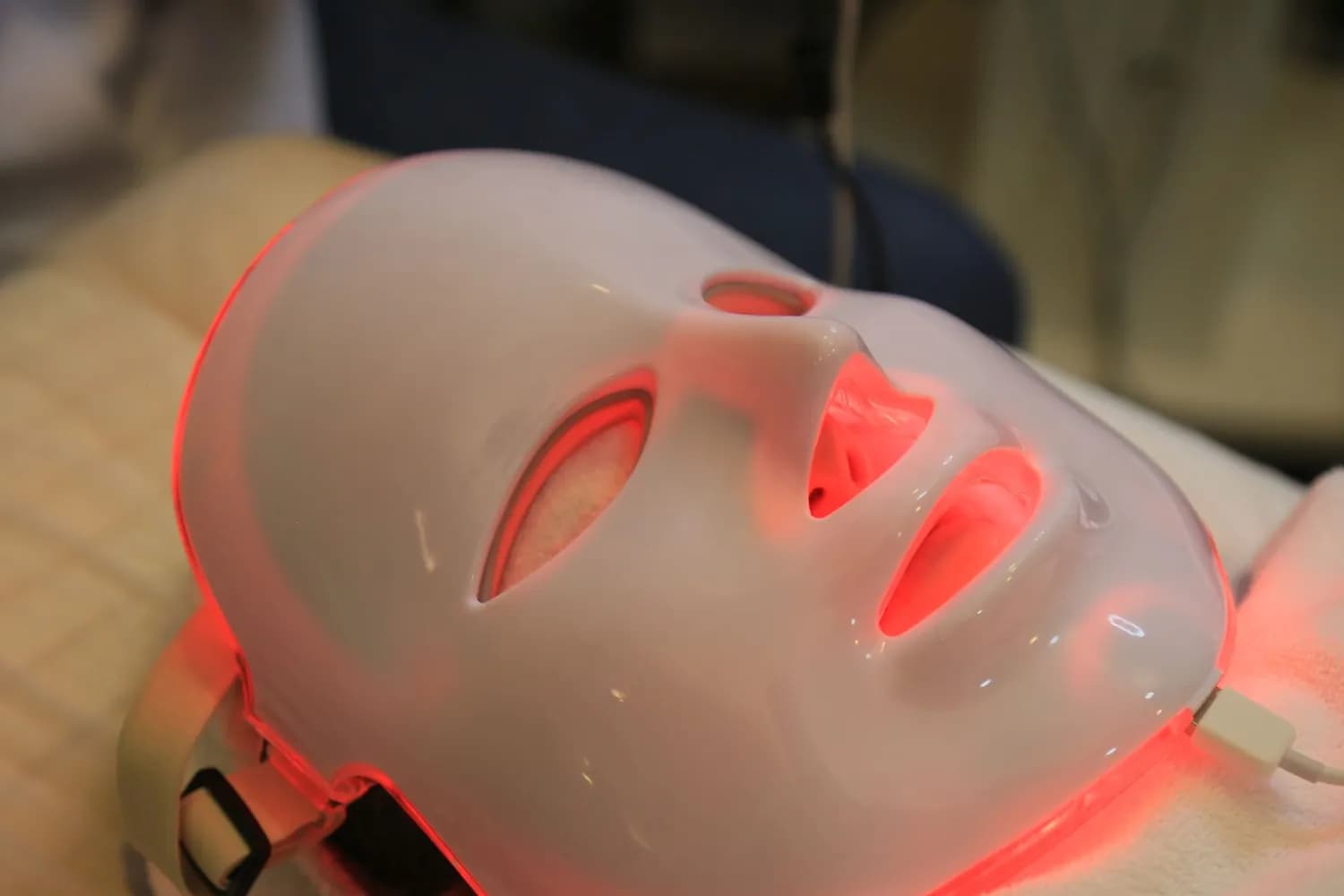
Red Light Therapy Wand vs. Mask: Which At-Home Device Makes Sense?
Searches for red light therapy hit an all-time high. Here's how handheld wands and full-face masks differ, what the evidence supports, and how to check a device before you buy.
· 4 min read
Comparison · Tools
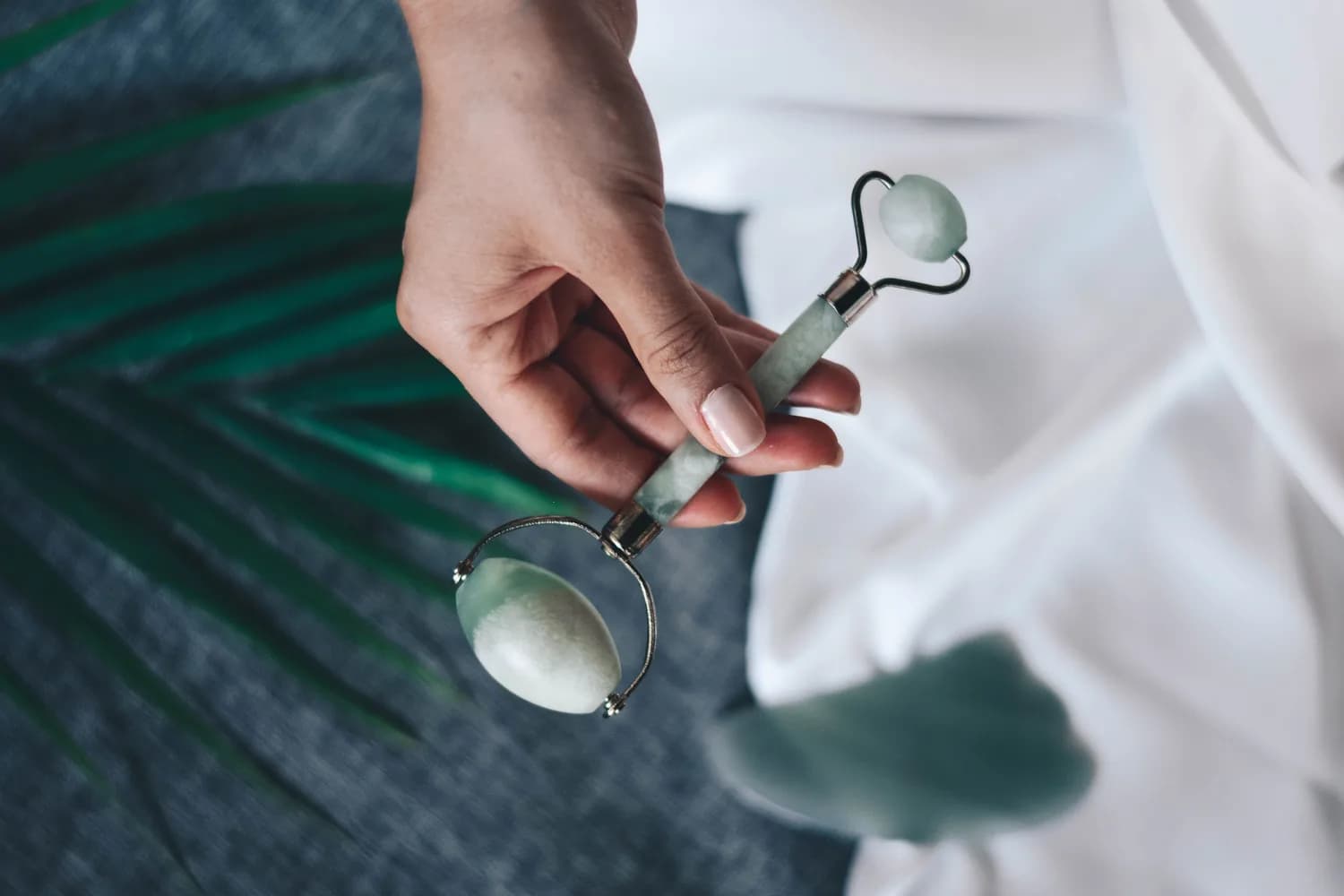
Facial Rollers vs. Gua Sha: How to Compare Them (and What the Evidence Says)
Rollers and gua sha stones are among the most popular beauty tools. Here's how they differ in technique, materials and care — and what a recent randomized trial did and didn't find.
· 5 min read