
How-To · Makeup & Fragrance
An Easy Day Makeup Look: 5-Minute and 10-Minute Routines
A natural day makeup look in the right order — sunscreen first, then a light base, cheeks, brows, mascara and lips — with a 5-minute and a 10-minute version and tips for oily or acne-prone skin.
Published 5 min read

The quick answer
For an easy day makeup look, start with moisturizer and a broad-spectrum SPF 30+ sunscreen, then use a light base only where you need it — a skin tint or a little concealer. Add a cream blush, brush your brows into place, apply one coat of mascara and finish with a tinted balm or gloss. That takes about five minutes; add brow filling, a neutral eyeshadow and powder for a 10-minute version.
Key takeaways
- Sunscreen goes on before makeup; the AAD notes SPF in makeup alone isn't enough protection.
- A day look relies on light, buildable layers rather than full coverage everywhere.
- Cream products are quick and forgiving; powder is useful mainly where you get shiny.
- Remove makeup before bed and keep brushes clean, especially if your skin is acne-prone.
A good day makeup look is mostly about restraint: even skin, a little warmth, defined lashes and comfortable lips, in products light enough to wear for hours. The order matters more than the number of products. Below is a routine you can do in about five minutes, a 10-minute version for days you want a little more, and adjustments for oily or acne-prone skin.
Step 1: Skincare and sunscreen first
Start with clean skin and a moisturizer if you need one, then sunscreen. The American Academy of Dermatology (AAD) advises applying sunscreen after your other skincare and beneath your makeup, and notes that makeup with SPF isn't a reliable substitute: you'd need SPF 30 or higher, applied generously and reapplied every two hours. Use a broad-spectrum SPF 30+ sunscreen and give it a few minutes to settle before your base.
Our simple morning skincare routine covers the skincare steps in more detail.
Step 2: A light base, only where you need it
For daytime, a sheer base usually looks more natural than full coverage everywhere. A skin tint or a thin layer of foundation evens tone; concealer handles specific spots such as redness around the nose or under-eye shadows. Many people find they only need concealer. If you're unsure which base suits you, see skin tint vs. foundation.
Apply base with fingertips, a damp sponge or a brush, working from the center of the face outward and sheering it out toward the hairline and jaw.
Step 3: Cheeks
A cream or liquid blush is the fastest way to make a light base look fresh. Dot a little on the apples of the cheeks and blend upward toward the temples with fingertips. Cream textures are forgiving because you can build them gradually; trends such as jelly blush work on the same principle. If you prefer powder blush, apply it after any setting powder.
Step 4: Brows, eyes and lips
- Brows: Brush them up and into place with a spoolie or clear brow gel. Fill sparse areas lightly with a pencil or powder only if you want more definition.
- Eyes: One coat of mascara, wiggling from the root. For a little more depth, sweep a neutral matte shadow close to the lash line. FDA advises not sharing eye cosmetics, keeping applicators clean and never applying mascara in a moving vehicle.
- Lips: A tinted balm, sheer lipstick or gloss. Our guide to lip gloss vs. lip oil compares the comfortable options.
Two ways to build it
| Version | Steps | Good for |
|---|---|---|
| 5-minute | Sunscreen → concealer or skin tint → cream blush → brow gel → mascara → tinted balm | Workdays, errands, low-makeup days |
| 10-minute | Sunscreen → skin tint → concealer → cream blush → light powder where needed → filled brows → neutral shadow → mascara → lip color | Meetings, photos, longer days |
For oily or acne-prone skin
The AAD says people with acne can wear makeup when they choose products carefully. Practical adjustments:
Day makeup for oily or acne-prone skin
- Choose products labeled non-comedogenic, oil-free or 'won't clog pores'.
- Keep the base light; heavy liquid layers can trap oil.
- Use powder only where you get shiny, usually the T-zone.
- Apply any acne medication before makeup.
- Wash brushes and sponges regularly and don't share makeup.
End of the day
Remove makeup before bed, including eye makeup, and then wash with a gentle cleanser; the AAD notes that even non-comedogenic makeup can contribute to breakouts if you sleep in it. Clean tools matter too — see our guide to cleaning makeup brushes. Replace mascara regularly; FDA notes that manufacturers usually recommend discarding it two to four months after purchase.
The bottom line
A natural day look is sunscreen, a light base where you need it, a touch of cream blush, groomed brows, mascara and a comfortable lip. Start with the five-minute version, add steps only when they earn their place, and remove everything before bed.
Frequently asked questions
What is a day makeup look?
A day makeup look is a lighter, natural style meant for daylight and everyday wear: even skin, a little color on the cheeks and lips, groomed brows and mascara. It uses fewer and sheerer products than an evening look.
Is makeup with SPF enough for daytime?
Not on its own. The American Academy of Dermatology notes that to rely on makeup for sun protection you'd need SPF 30 or higher, applied generously and reapplied every two hours. Wear a broad-spectrum SPF 30+ sunscreen under your makeup instead.
What order do I apply day makeup in?
Moisturizer, sunscreen, base (skin tint or foundation), concealer, cream products such as blush, then any powder, followed by brows, eyes and lips.
Can I wear makeup every day if I have acne?
The AAD says people with acne can wear makeup. Choose products labeled non-comedogenic or oil-free, avoid heavy layers, remove makeup before bed and wash brushes regularly.
How this guide was researched
This guide is based on independent research of the sources listed below. We did not conduct hands-on testing of products for this article. Content is general information, not medical advice; talk to a dermatologist or other qualified clinician about specific skin concerns. Read our editorial policy.
Sources
Factual claims in this guide are based on the following references. Links open the original source.
- Dermatologist-recommended skin care for your 20s — American Academy of DermatologySupports: Apply sunscreen after other skincare and beneath makeup; makeup with SPF would need SPF 30+ and reapplying every two hours.
- Sunscreen FAQs — American Academy of DermatologySupports: Many people apply only part of the sunscreen needed; cosmetics with SPF still require reapplication outdoors.
- I have acne! Is it okay to wear makeup? — American Academy of DermatologySupports: People with acne can wear makeup; choose non-comedogenic or oil-free products; remove makeup before bed.
- Makeup tips for acne-prone skin — American Academy of DermatologySupports: Wash brushes regularly; don't share makeup; avoid heavy liquid makeup.
- Eye Cosmetic Safety — U.S. Food and Drug AdministrationSupports: Don't share eye cosmetics; keep applicators clean; don't apply mascara in a moving vehicle; discard dried mascara.
- Shelf Life and Expiration Dating of Cosmetics — U.S. Food and Drug AdministrationSupports: Manufacturers usually recommend discarding mascara two to four months after purchase.
Written by
Editor, The Gilded Skin
Elise Marlowe is the editor of The Gilded Skin. She researches beauty tools, skincare routines and vanity organization, reads the dermatology and regulatory sources behind each guide, and writes about what is worth buying and who should skip it. She is not a dermatologist, and her guides say clearly when they are based on research rather than hands-on testing.
More from EliseKeep reading
Comparison · Makeup & Fragrance
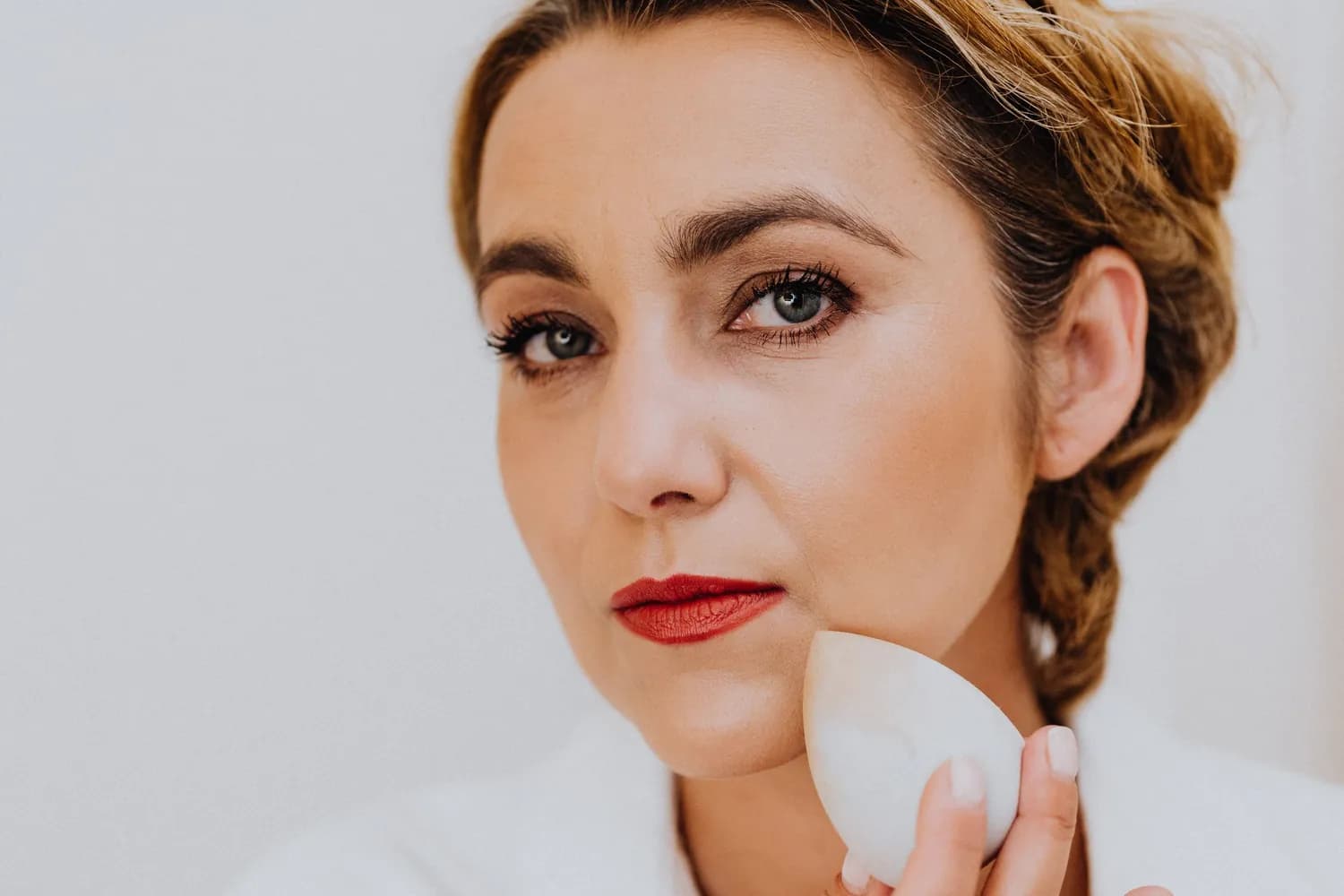
Skin Tint vs. Foundation: How to Choose the Right Base for Your Skin
Skin tints and serum foundations are 2026's go-to 'your skin but better' base. Here's how they compare with traditional foundation and powder, and how to pick the right coverage.
· 3 min read

Routine · Skincare
How to Build a Simple Morning Skincare Routine
A morning routine doesn't need ten steps. Here's the dermatologist-recommended order, what each step is for, and how to add products without overwhelming your skin.
· 4 min read
How-To · Makeup & Fragrance
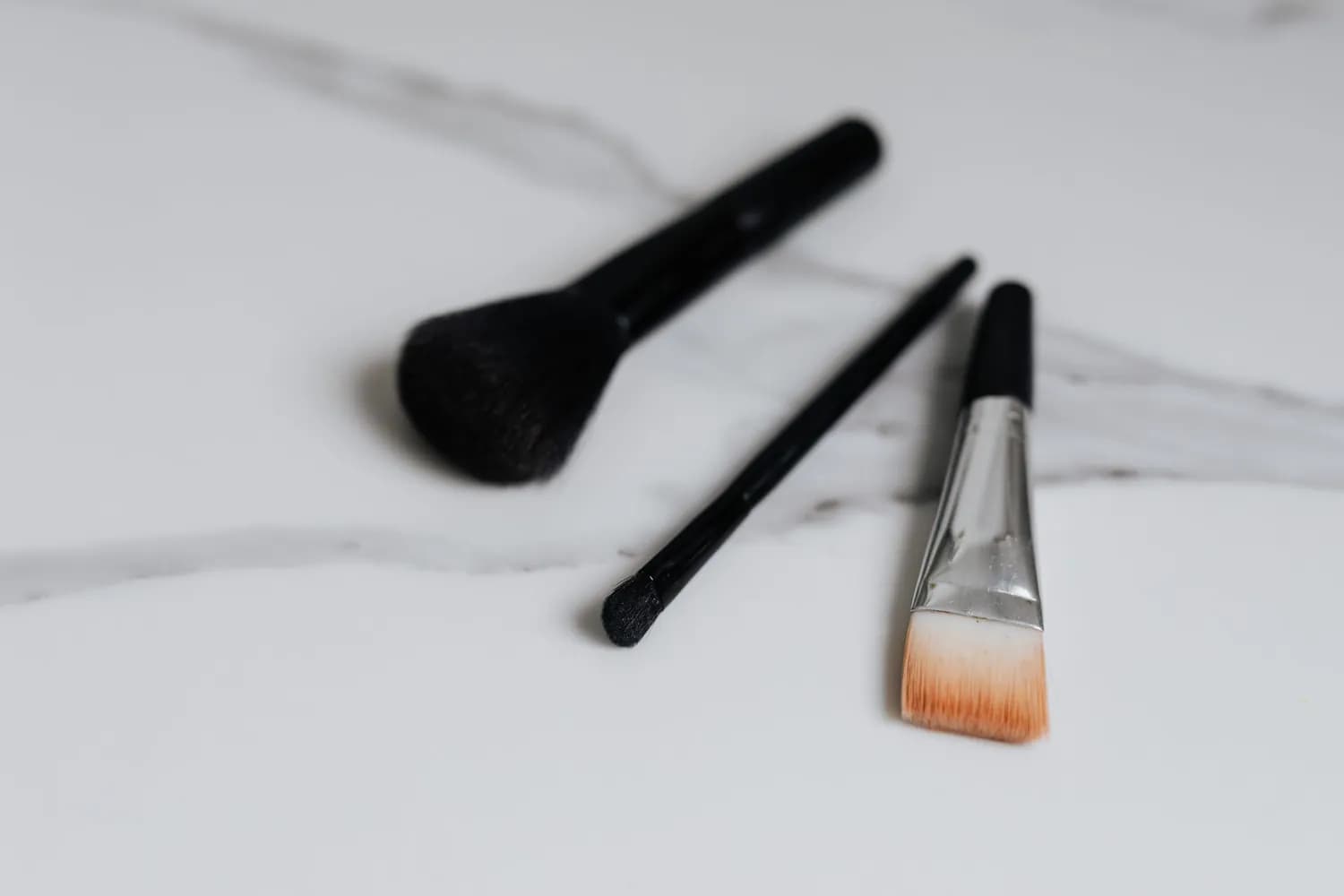
How Often Should You Clean Makeup Brushes? A Simple Routine
Makeup brushes and sponges collect bacteria, oil and old product. Here's what research has found, how often to clean them, and a step-by-step method that protects your brushes.
· 3 min read