
Comparison · Makeup
Skin Tint vs. Foundation: How to Choose the Right Base for Your Skin
Skin tints and serum foundations are 2026's go-to 'your skin but better' base. Here's how they compare with traditional foundation and powder, and how to pick the right coverage.
Published 3 min read
The quick answer
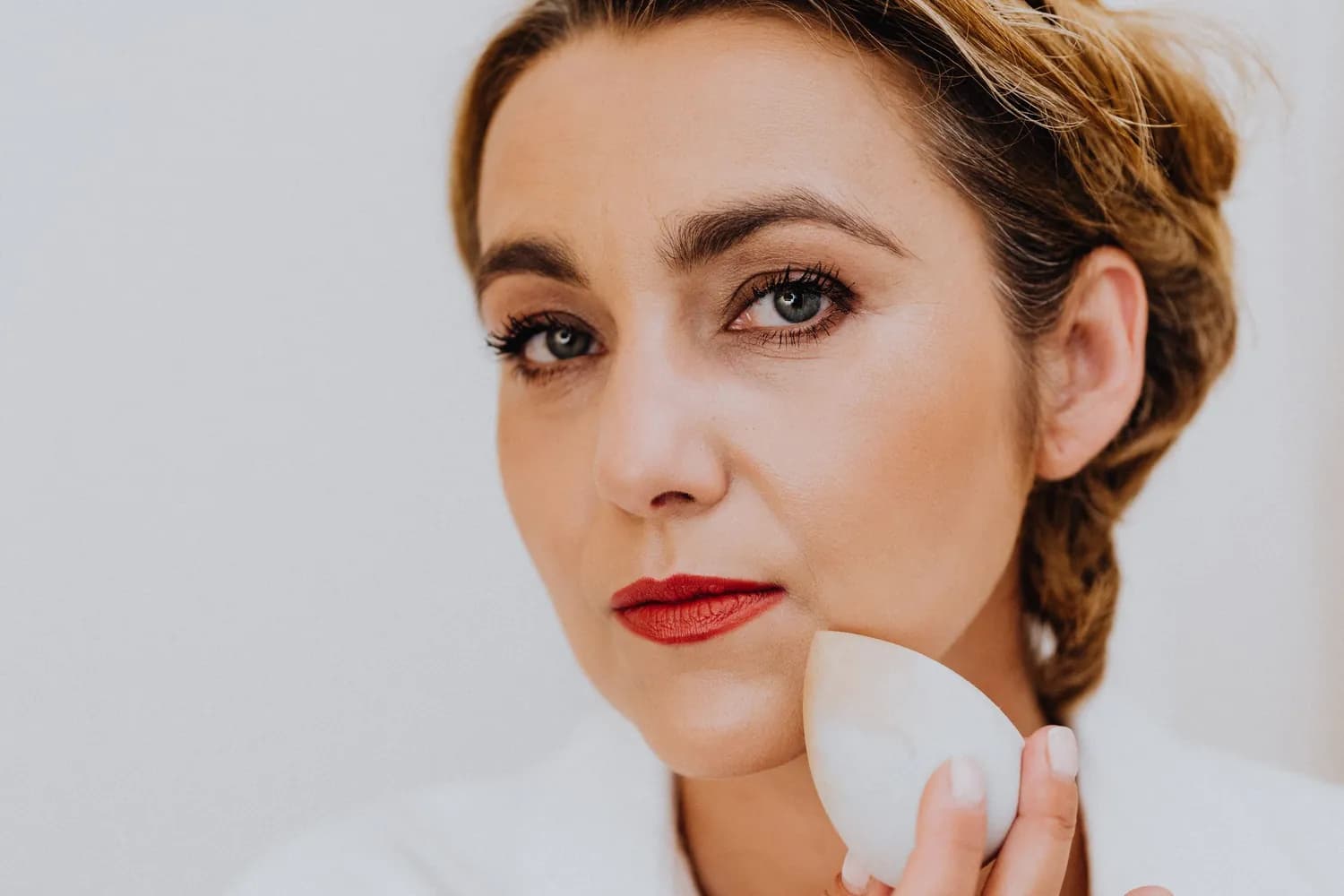
Choose a skin tint or tinted SPF for sheer, natural coverage on good-skin days; a liquid foundation when you want to even out more; and a buildable powder foundation if you prefer a matte finish and quick touch-ups. Shade match and finish matter more than the format, and a tinted SPF only protects you if you apply enough of it.
Key takeaways
- Skin tints give sheer coverage; foundations give more, buildable coverage.
- A tinted SPF can replace a separate sunscreen only if you apply a generous amount.
- Powder foundations suit normal to oily skin; very dry skin often prefers creamier formats.
- Check the brand's full shade range before you fall for a product.
Lighter, "your skin but better" bases — skin tints, tinted sunscreens and serum foundations — are one of the defining makeup trends of 2026. They're not for everyone or every day, though. Here's how to choose.
The main types of complexion base
| Type | Coverage | Finish | Best for |
|---|---|---|---|
| Skin tint / tinted moisturizer | Sheer | Natural, dewy | Good-skin days, minimal routines |
| Tinted SPF | Sheer to light | Natural | Combining protection and a little evening-out |
| Liquid or serum foundation | Light to full, buildable | Natural to matte | Evening out redness and discoloration |
| Powder foundation | Sheer to medium, buildable | Matte | Normal to oily skin, quick touch-ups |
Choosing by skin type
- Dry skin: creamy or liquid formats over a good moisturizer are usually most comfortable; powder can cling to dry patches.
- Oily or combination skin: powder and matte liquids help control shine.
- Sensitive skin: fewer layers and fragrance-free formulas are a good starting point.
About tinted SPF
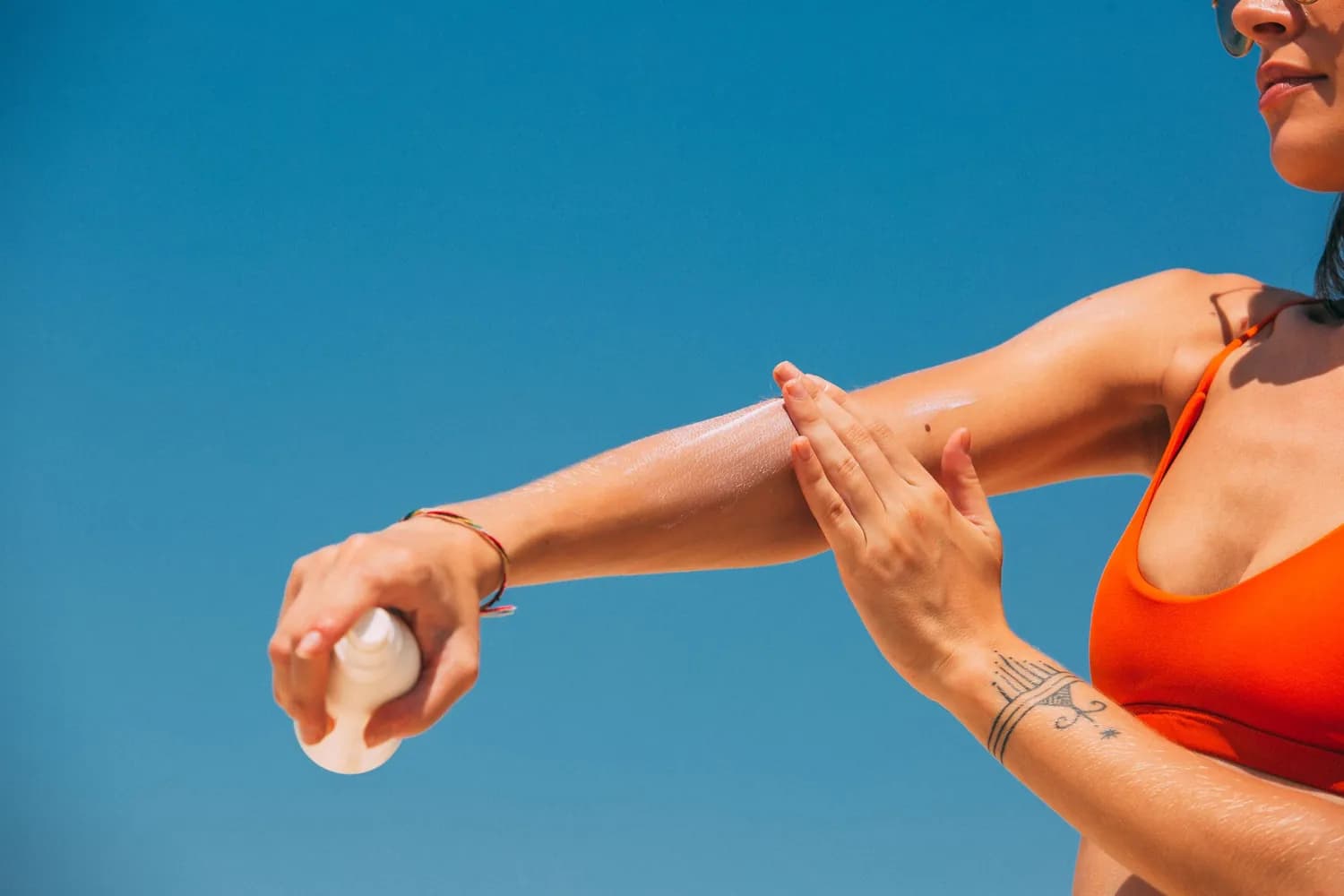
A tinted SPF is a convenient way to combine steps, but it only protects you if you apply enough — the same generous amount you'd use of a regular sunscreen. The AAD recommends broad-spectrum SPF 30 or higher. If you prefer a thin layer of tint, wear a dedicated sunscreen underneath. Our guide to mineral vs. chemical sunscreen explains the options.
MZ Skin
See product photos on AmazonA sheer tinted SPF
by MZ Skin
Best for: Fair to medium skin tones that want a sheer, even tint
A lightly tinted daily moisturizer with SPF 30 from MZ Skin. It pairs zinc oxide with a chemical UVB filter, and adds stabilised vitamin C and cacay seed oil for a smoothing, hydrating base. There's one sheer tint, which the brand says suits fair to medium skin and may not work on deeper complexions.
- SPF 30, described by the brand as broad spectrum
- UV filters listed on mzskin.com: zinc oxide (nano) and ethylhexyl methoxycinnamate (octinoxate)
- Stabilised vitamin C (tetrahexyldecyl ascorbate), cacay seed oil, a beta-glucan complex and sodium hyaluronate
- 30 mL / 1.01 fl oz; one sheer universal tint
- Brand states it is vegan and not tested on animals
Product details last checked October 12, 2026. Price and availability can change — check the listing.
Strengths
- Moisturizer, sheer tint and SPF in one morning step
- A single tint keeps things simple for fair-to-medium skin
- Ingredients and directions are published by the brand
Limitations
- Only one shade, which the brand itself says may not suit deeper skin
- SPF 30 only protects as labelled if you apply generously and reapply
- Luxury pricing compared with many tinted sunscreens
- Not mineral-only: it also contains a chemical filter
May suit you if…
- Fair to medium skin tones that want a sheer, even tint
- People who want to cut a step from their morning routine
- Dry or dehydrated skin that likes a moisturizing base
Consider skipping it if…
- You have a deeper skin tone
- You prefer mineral-only sunscreen or react to octinoxate
- You need high-SPF protection for long outdoor exposure
Check before you buy
- Check the US Drug Facts panel on the box for the active ingredients and percentages; the brand page we used is the UK edition
- Check that the seller is MZ SKIN
- Patch-test first if your skin is sensitive; don't use on sunburnt or broken skin
- The file id says 'brightening moisturizer'; the product is the tinted SPF 30
About powder foundation
Baked powder foundations are a long-running favorite for buildable, matte coverage. The one below comes in nine shades, which is a narrow range — check that one suits you before buying.
Laura Geller New York
See product photos on AmazonA buildable powder foundation
by Laura Geller New York
Best for: People who prefer powder foundation with light-to-medium coverage
A baked powder foundation made in Italy. The formula starts as a cream and is baked into a marbled, multi-tone pan that blends into one colour as you buff it on. It's the brand's signature base and comes in nine shades; this listing is 09 Toffee, one of the deeper ones. Coverage builds from sheer to medium with a natural matte finish, which suits people who like powder but not a heavy, cakey look.
- Baked powder foundation made in Italy (country of origin on the listing)
- Marbled multi-tone pan intended to even out redness and uneven tone
- Nine shades on laurageller.com: Porcelain, Fair, Light, Medium, Golden Medium, Sand, Tan, Deep and Toffee
- The listing names centella asiatica, vitamin E, green tea extract and jojoba oil
- Buildable coverage, matte finish, compact packaging
Product details last checked October 12, 2026. Price and availability can change — check the listing.
Strengths
- Powder format is quick to apply and easy to carry
- Buildable: one layer for light coverage, more for medium
- A long-running product, so swatches and shade comparisons are easy to find
Limitations
- Nine shades is a narrow range, with few options for deep skin tones
- Powder can emphasize dry patches or texture on very dry skin
- Listing wording such as 'dermatologist-approved', 'safe for rosacea' and 'never settles into fine lines' is the brand's claim; patch-test if your skin is reactive
May suit you if…
- People who prefer powder foundation with light-to-medium coverage
- Normal, combination or oily skin that looks best with a matte finish
- Anyone whose shade match is 09 Toffee
Consider skipping it if…
- You need full coverage or a dewy finish
- Your skin is very dry or flaky
- Your shade falls outside the nine-shade range
Check before you buy
- Use Laura Geller's online shade finder before ordering; this ASIN is 09 Toffee only
- Check that the seller is Laura Geller New York to avoid old or counterfeit stock
- Read the full ingredient list on the box if you have sensitivities
How to choose
Choosing your base
- Decide how much coverage you want on a normal day.
- Pick a finish — dewy, natural or matte — that suits your skin type.
- Check the full shade range and undertone options before you buy.
- Don't rely on makeup SPF unless you apply a full sunscreen amount.
- Keep brushes and sponges clean, and don't share makeup.
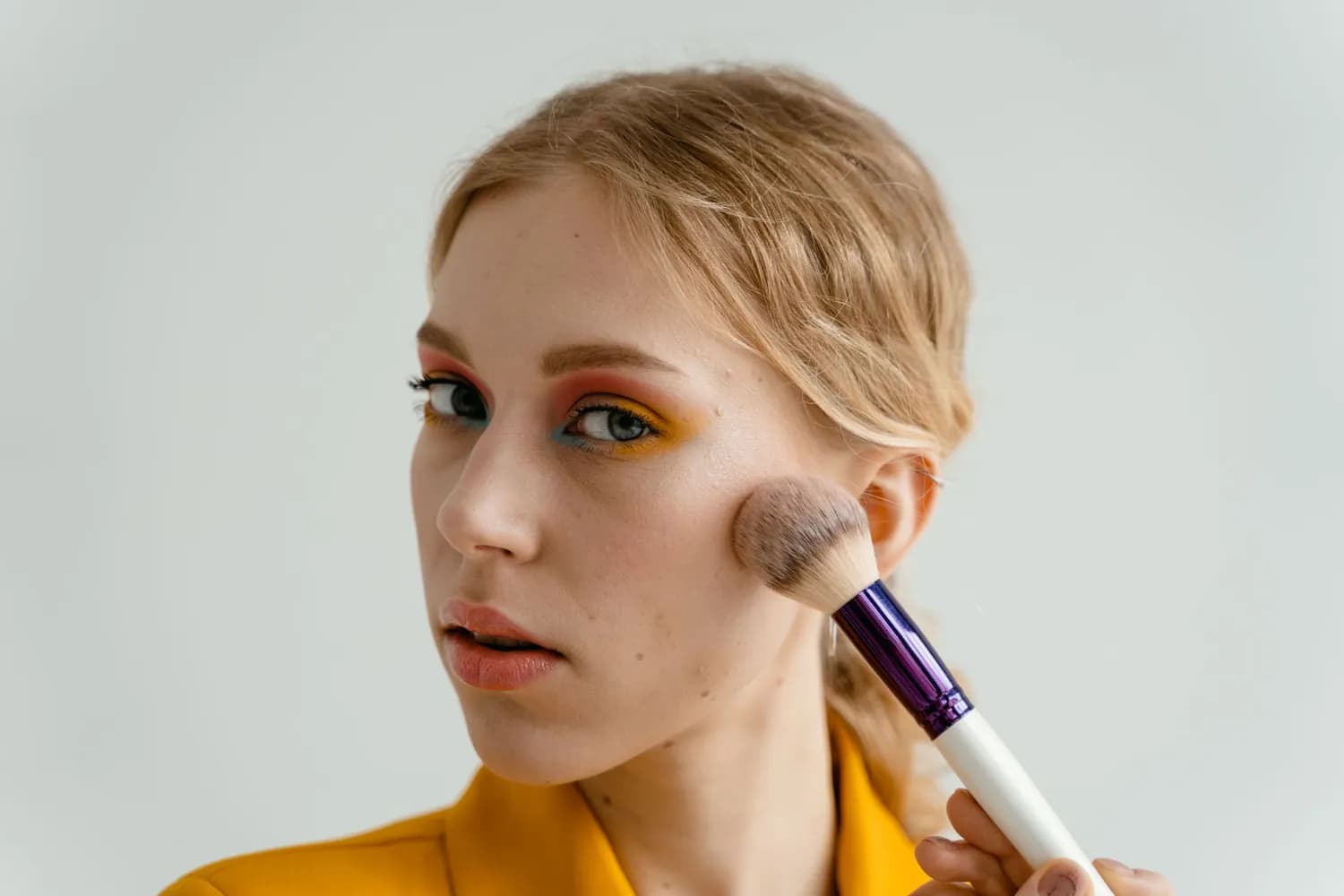
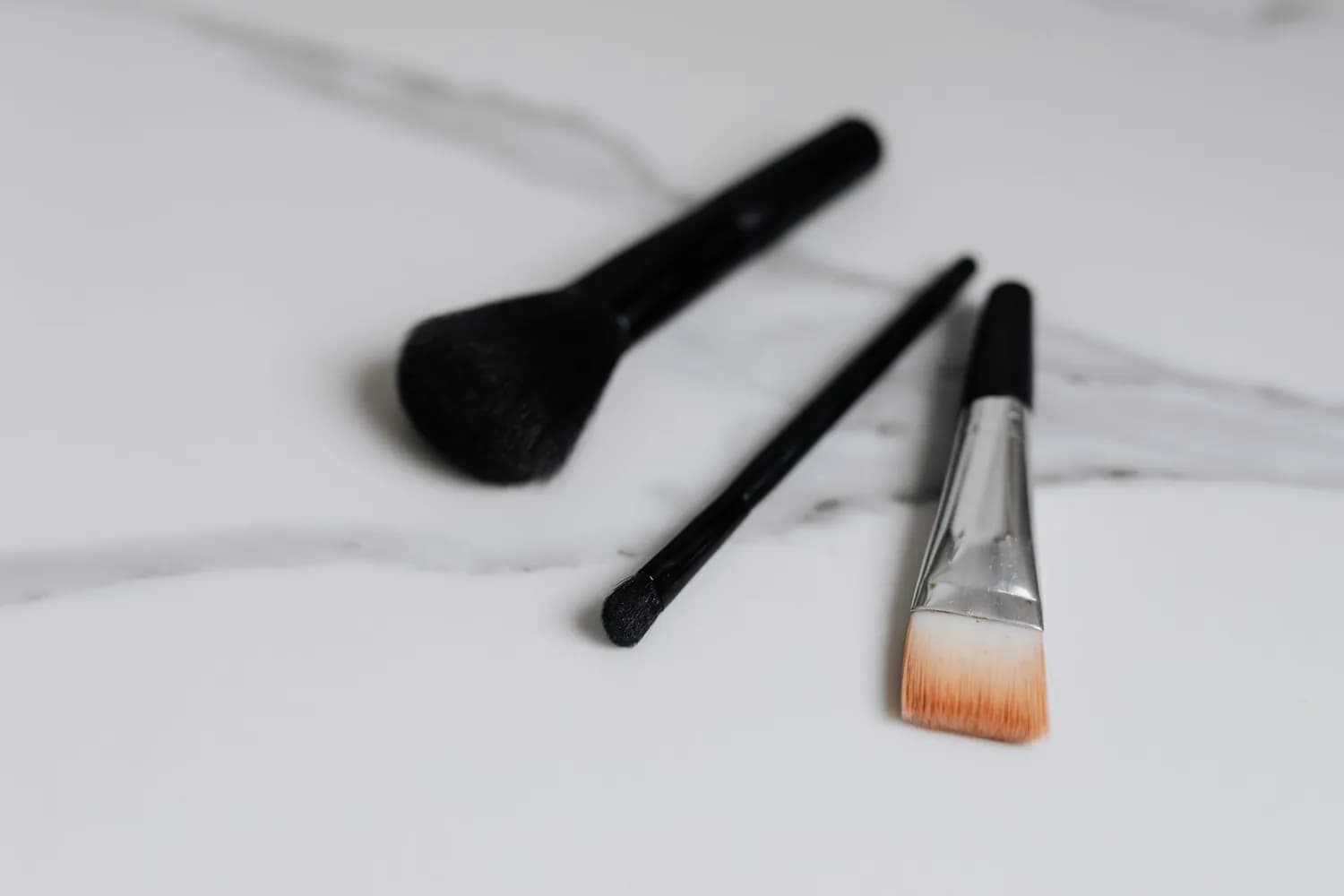
The FDA's cosmetic safety tips include not sharing makeup and keeping tools clean — see how to clean makeup brushes. For a fresh finishing touch, the jelly blush trend pairs well with sheer bases.
The bottom line
Skin tints and tinted SPFs are perfect for easy, natural days; foundations give you control when you want more coverage. Start with your skin type and the finish you like, make sure your shade exists, and keep sunscreen as its own step unless you're applying a generous layer.
Frequently asked questions
Can a skin tint replace foundation?
For many people on most days, yes. If you want to cover more redness or discoloration, a foundation or concealer on top will give more coverage.
Is the SPF in my tinted moisturizer enough?
Only if you apply as much as you would a regular sunscreen, which many people don't with makeup. Many dermatologists suggest a dedicated sunscreen underneath.
Is powder foundation good for dry skin?
Powder can emphasize dry patches. If your skin is very dry, a cream or liquid formula over a good moisturizer is usually more comfortable.
How this guide was researched
This guide is based on independent research of the sources listed below. We did not conduct hands-on testing of products for this article. Content is general information, not medical advice; talk to a dermatologist or other qualified clinician about specific skin concerns. Read our editorial policy.
Sources
Factual claims in this guide are based on the following references. Links open the original source.
- Sunscreen FAQs — American Academy of DermatologySupports: Broad-spectrum SPF 30+, generous application and reapplication.
- Using Cosmetics Safely — U.S. Food and Drug AdministrationSupports: General cosmetic safety: don't share makeup, keep tools clean, follow labels.
Written by
Editor, The Gilded Skin
Elise Marlowe is the editor of The Gilded Skin. She researches beauty tools, skincare routines and vanity organization, reads the dermatology and regulatory sources behind each guide, and writes about what is worth buying and who should skip it. She is not a dermatologist, and her guides say clearly when they are based on research rather than hands-on testing.
More from EliseKeep reading
Comparison · Skincare
Mineral vs. Chemical Sunscreen: How to Choose the Right One for Your Skin
Mineral sunscreen is one of fall 2026's most discussed products. Here's how mineral and chemical filters differ, what the FDA has said about them, and how to pick one you'll actually wear.
· 3 min read
How-To · Makeup
Jelly Blush and the 'Gummy' Makeup Trend: How to Wear It
Pinterest's 'Gimme Gummy' prediction made jelly blushes, bouncy cheek tints and glossy textures one of 2026's top makeup trends. Here's how they work and how to wear them.
· 3 min read
How-To · Makeup
How Often Should You Clean Makeup Brushes? A Simple Routine
Makeup brushes and sponges collect bacteria, oil and old product. Here's what research has found, how often to clean them, and a step-by-step method that protects your brushes.
· 3 min read