
Beginner's Guide · Makeup
Korean Lash Lift: What It Is, Risks, and Salon vs. At-Home Kits
Searches for 'Korean lash lift' have exploded in 2026. Here's what the treatment involves, how it differs from a classic lash lift, the eye-safety risks to know, and why salon beats DIY.
Published 4 min read
The quick answer
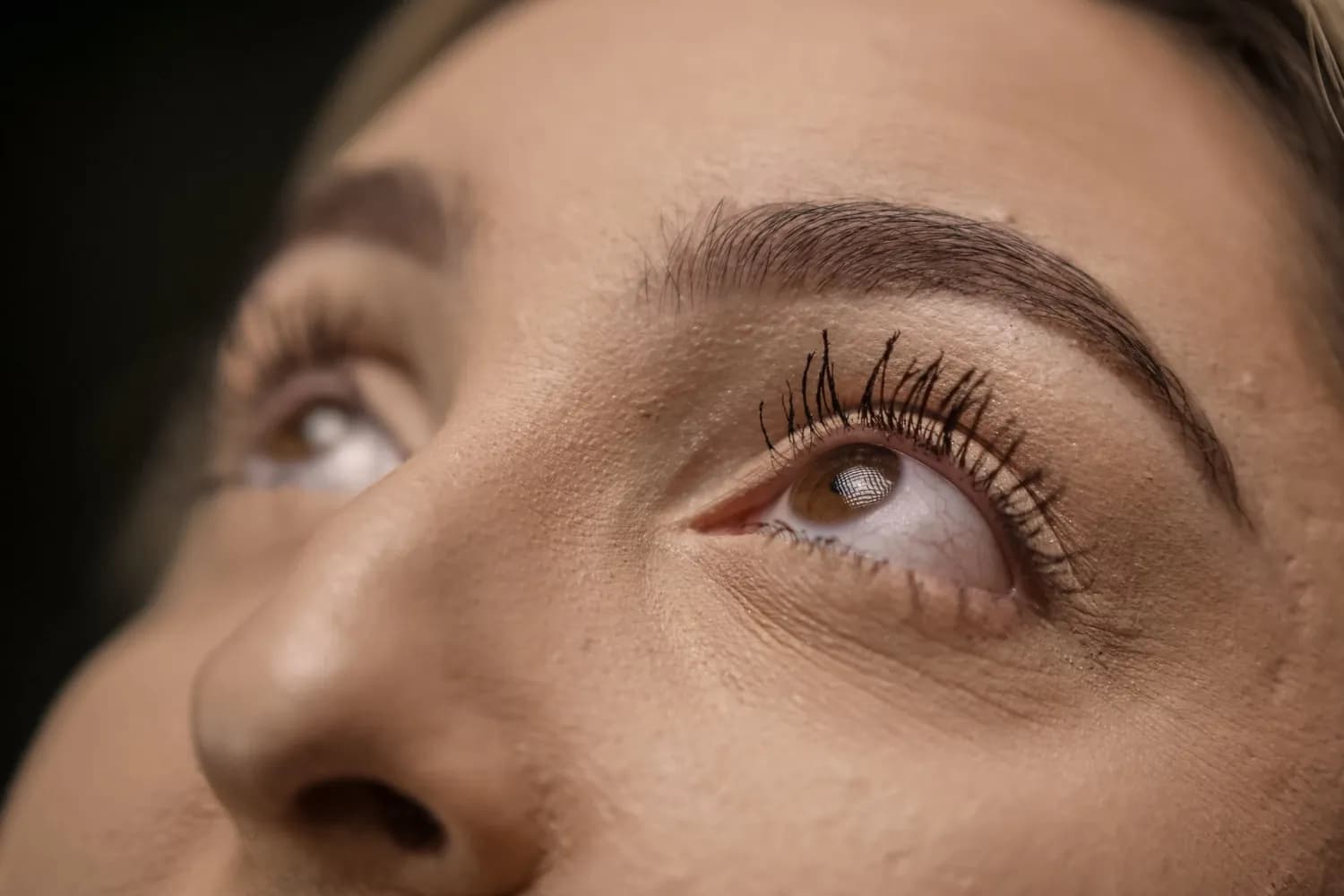
A Korean lash lift uses a perming solution to lift and curl your natural lashes from the root, often for a straighter, more upright 'lifted' look than a classic curl. It usually lasts several weeks. The main risks are irritation, allergic reactions and chemical injury if solution gets into the eye, so choose a trained, licensed professional over an at-home kit, and talk to an eye doctor first if you have dry eye or sensitive eyes.
Key takeaways
- Korean lash lifts are among the fastest-rising beauty searches in the U.S. in 2026.
- Like a perm, the treatment chemically reshapes lashes and lasts several weeks.
- Risks include irritation, allergic reaction, eyelid inflammation and chemical injury to the eye.
- At-home kits add risk; a trained professional is the safer choice.
"Korean lash lift" has become one of the fastest-rising beauty searches of 2026 — trade publication Happi reported an enormous year-over-year jump in U.S. searches. Before you book, here's what the treatment involves and what eye doctors want you to know.
What a Korean lash lift is
A lash lift works like a perm for your natural lashes: a technician shapes your lashes over a small silicone pad, then applies a solution that softens and resets their shape, followed by a neutralizer. A Korean lash lift is generally styled to lift lashes from the root for a straighter, more upright, "lifted" look rather than a strong curl. Results typically last several weeks, until the lashes shed and regrow.
How it compares
| Option | Lasts | Maintenance | Main risks |
|---|---|---|---|
| Eyelash curler + mascara | One day | Daily | Pinching; old mascara |
| Lash lift | Several weeks | Low | Irritation, allergy, chemical injury if solution enters the eye |
| Lash extensions | A few weeks with refills | Regular refills | Adhesive reactions, lash damage |
The risks to know
An ophthalmologist interviewed by Cleveland Clinic points to allergic reactions and notes that repeated intense lash treatments can make people more prone to blepharitis (eyelid inflammation). All About Vision lists chemical burns or corneal injury if the perming solution gets into the eye. The FDA's cosmetic safety guidance also advises against dyeing or tinting lashes and brows at home.
Salon vs. at-home kits
At-home kits are widely sold, but applying perming solution millimeters from your own eye is hard to do precisely. A trained, licensed technician working on you with your eyes closed is the safer choice.
Questions to ask before you book
- Are you licensed in this state, and how many lifts have you done?
- Can I have a patch test for the products first?
- How do you protect my eyes during the treatment?
- Which products do you use, and can I see the ingredients?
- What aftercare do you recommend — and is it OK to clean my lashes?
- What should I do if my eyes sting or water afterward?
Who should talk to an eye doctor first
If you have dry eye, eye allergies, frequent eye infections, blepharitis or very sensitive eyes — or if you wear contact lenses — check with your eye doctor before booking. Seek prompt medical care if you have eye pain, vision changes or persistent redness after a treatment.
Aftercare
The Cleveland Clinic ophthalmologist recommends keeping lashes clean after a lift rather than skipping cleansing. Follow your technician's timing for getting lashes wet, avoid rubbing your eyes, and use a gentle, eye-safe cleanser. Keep tools clean, too — see how to clean makeup brushes.
The bottom line
A Korean lash lift can give a lifted, low-maintenance look for several weeks, but it's a chemical treatment near your eyes. Choose a licensed professional over a DIY kit, ask about patch testing and eye protection, and check with an eye doctor first if your eyes are sensitive. Want color with your lifted lashes? Try the Cool Blue eyeshadow trend.
Frequently asked questions
How is a Korean lash lift different from a regular lash lift?
Descriptions vary by salon, but Korean lash lifts are generally styled to lift lashes from the root for a straighter, more upright look rather than a strong curl.
Are at-home lash lift kits safe?
They carry more risk, because perming solution near the eye can cause irritation or chemical injury, and it's hard to apply precisely on yourself. A trained professional is the safer option.
Can I get a lash lift if I wear contact lenses?
Ask your eye doctor and your technician. You'll usually need to remove lenses during the treatment.
How this guide was researched
This guide is based on independent research of the sources listed below. We did not conduct hands-on testing of products for this article. Content is general information, not medical advice; talk to a dermatologist or other qualified clinician about specific skin concerns. Read our editorial policy.
Sources
Factual claims in this guide are based on the following references. Links open the original source.
- Are lash lifts safe? — Cleveland ClinicSupports: Ophthalmologist on allergic reactions, blepharitis risk, eye hygiene after a lift.
- Korean lash lift, azelaic acid lead 2026's most in-demand beauty trends — HappiSupports: Korean lash lift search growth in the U.S.
- Eyelash lifts: Process, benefits and risks — All About VisionSupports: Chemical burns or corneal injury if perming solution enters the eye.
- Using Cosmetics Safely — U.S. Food and Drug AdministrationSupports: Don't dye or tint lashes and brows at home; eye-area safety.
Written by
Editor, The Gilded Skin
Elise Marlowe is the editor of The Gilded Skin. She researches beauty tools, skincare routines and vanity organization, reads the dermatology and regulatory sources behind each guide, and writes about what is worth buying and who should skip it. She is not a dermatologist, and her guides say clearly when they are based on research rather than hands-on testing.
More from EliseKeep reading

How-To · Makeup
Cool Blue Eyeshadow: How to Wear 2026's Icy Makeup Trend
Pinterest predicted 'Cool Blue' icy eyeshadow would be one of 2026's top beauty aesthetics. Here's how to wear blue eyeshadow in a modern, wearable way — plus eye-safety basics.
· 3 min read
How-To · Makeup
How Often Should You Clean Makeup Brushes? A Simple Routine
Makeup brushes and sponges collect bacteria, oil and old product. Here's what research has found, how often to clean them, and a step-by-step method that protects your brushes.
· 3 min read
Review · Skincare
Do Under-Eye Patches Work? What They Can Do for Puffiness and Dark Circles
Under-eye patches are a self-care staple. Here's what hydrogel patches realistically do, why results are temporary, and what actually causes dark circles and puffiness.
· 3 min read