
Beginner's Guide · Skincare Essentials
Hypochlorous Acid Spray: What It Is, What It Can (and Can't) Do for Skin
Hypochlorous acid sprays are everywhere. Here's what this ingredient is, where the evidence is strong, where it's still early, and how to use a facial spray sensibly.
Published 3 min read
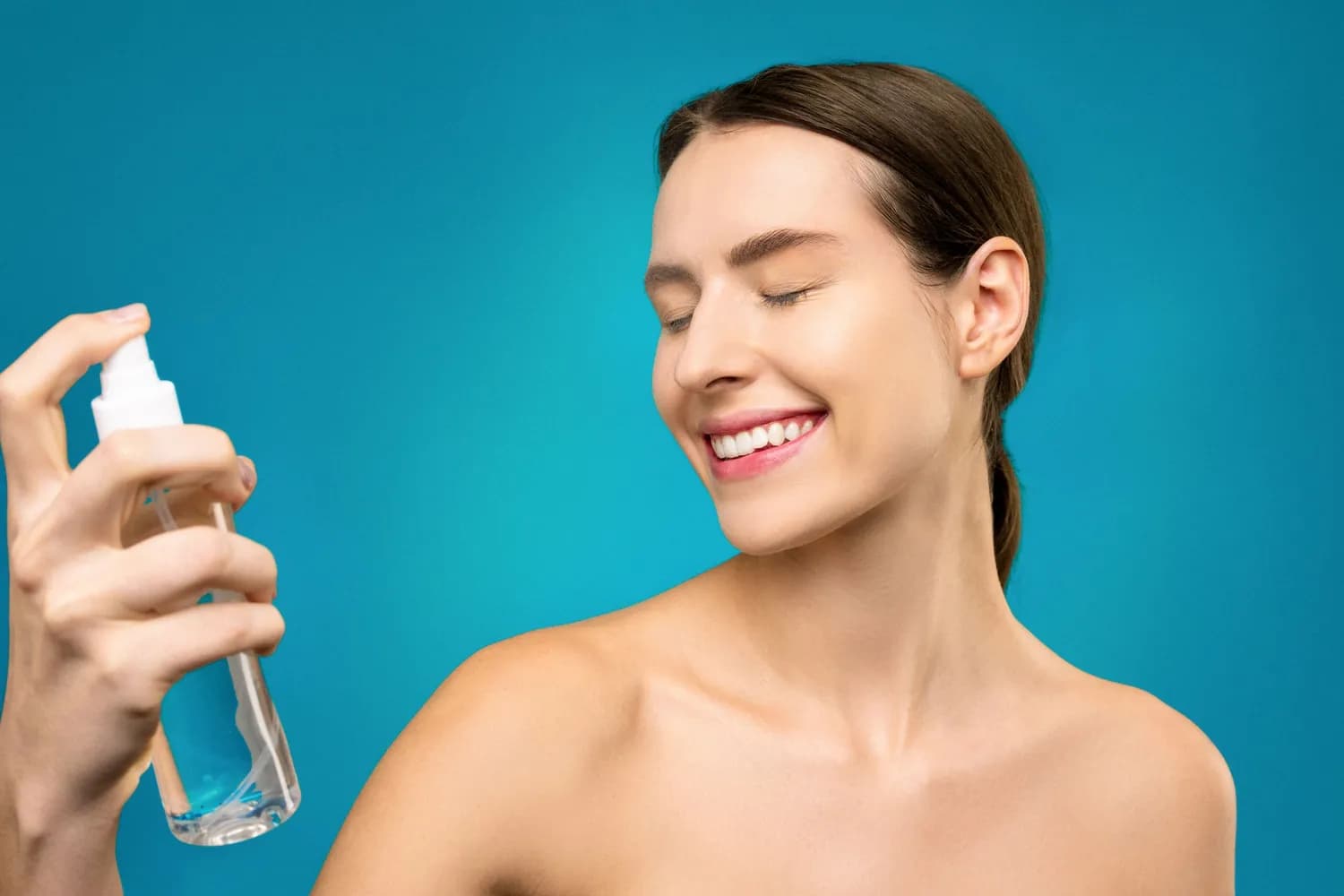
The quick answer
Hypochlorous acid is a mild antimicrobial that your own immune cells produce, and it has long, well-established use in wound care. For everyday skin concerns like acne or redness, the evidence is still early and comes mostly from reviews and small studies, so a cosmetic spray is best treated as a gentle supporting step — not a replacement for proven treatments.
Key takeaways
- Hypochlorous acid (HOCl) is naturally produced by white blood cells and is used medically in wound and eyelid care.
- Evidence for acne, eczema and rosacea is promising but early.
- Cosmetic sprays are best used as a supportive, gentle step in a routine.
- Check the concentration, storage instructions and expiration date — HOCl can degrade over time.
Hypochlorous acid (HOCl) sprays have become a fixture of minimalist routines. The ingredient has a genuinely interesting history — and the marketing sometimes gets ahead of the evidence.
What hypochlorous acid is
Hypochlorous acid is a weak acid that the body's own white blood cells (neutrophils) produce to fight microbes, as described in a review on its use in acne. It's been used as a wound disinfectant for more than a century, according to the Journal of Drugs in Dermatology, and today it's used in wound care and eyelid hygiene products.
Where the evidence is strong — and where it's early
| Use | Evidence | What it means for you |
|---|---|---|
| Wound care | Well established | Medical-grade products have long clinical use |
| Eyelid hygiene | Established | Specific products are made for this — follow their directions |
| Acne | Early but promising | A gentle add-on, not a replacement for proven treatments |
| Eczema, itch, seborrheic dermatitis | Early | Discussed in reviews; ask your dermatologist |
| Anti-aging | Not established | No good evidence |
A 2025 narrative review discusses possible roles in conditions such as atopic dermatitis, seborrheic dermatitis and acne. Narrative reviews summarize what's been published, but they aren't the same as large randomized trials — and for everyday cosmetic sprays, those trials are mostly missing.
How to use a hypochlorous acid spray
Using an HOCl spray
- Mist onto clean skin and let it dry before your next step.
- Use it as a gentle step — not in place of treatments your dermatologist prescribes.
- Check the label for concentration, storage and expiration date; HOCl can lose strength over time.
- Keep it away from heat and direct sunlight.
- Stop if you notice stinging, redness or dryness.
Because it's a light, water-like mist, it slots easily into a simple routine. If your skin feels tight or irritated this time of year, pair it with a barrier-friendly cold-weather routine.
Who it may suit
May suit you if…
- You want a gentle, low-fuss addition to a minimal routine.
- Your skin is sensitive to stronger acne actives.
- You like a refreshing mist after cleansing or exercise.
Consider skipping an HOCl spray if…
- You need treatment for moderate to severe acne, eczema or rosacea — see a dermatologist.
- You expect anti-aging results.
- Your skin reacts to the product — stop and reassess.
The bottom line
Hypochlorous acid is a well-understood antimicrobial with real medical uses, and a pleasant, gentle step in a skincare routine. For acne, eczema and rosacea, think of it as supporting cast, not the lead — and take persistent skin problems to a board-certified dermatologist.
Frequently asked questions
Can hypochlorous acid spray treat acne?
Early research is encouraging, but there isn't enough high-quality evidence to call it a standalone acne treatment. It can be a gentle addition alongside treatments your dermatologist recommends.
Is hypochlorous acid the same as bleach?
No. Household bleach is mainly sodium hypochlorite at much higher concentrations. Skincare HOCl sprays use low concentrations of hypochlorous acid formulated for skin.
How do I use a hypochlorous acid spray?
Most people mist it on clean skin and let it dry before applying other products. Follow the product label and stop if your skin becomes irritated.
How this guide was researched
This guide is based on independent research of the sources listed below. We did not conduct hands-on testing of products for this article. Content is general information, not medical advice; talk to a dermatologist or other qualified clinician about specific skin concerns. Read our editorial policy.
Sources
Factual claims in this guide are based on the following references. Links open the original source.
- Hypochlorous Acid: Clinical Insights and Experience in Dermatology, Surgery, Dentistry, Ophthalmology, Rhinology, and Other Specialties — PubMed Central (2025 narrative review)Supports: Medical uses of HOCl and areas of dermatologic research.
- Hypochlorous Acid: A Blast from the Past — Journal of Drugs in DermatologySupports: History of HOCl in wound care and dermatology.
- Topical Hypochlorous Acid for Acne Vulgaris: Mechanisms, Clinical Evidence, and Therapeutic Potential — MDedgeSupports: HOCl produced by neutrophils; early acne evidence and off-label use.
Written by
Editor, The Gilded Skin
Elise Marlowe is the editor of The Gilded Skin. She researches beauty tools, skincare routines and vanity organization, reads the dermatology and regulatory sources behind each guide, and writes about what is worth buying and who should skip it. She is not a dermatologist, and her guides say clearly when they are based on research rather than hands-on testing.
More from EliseKeep reading
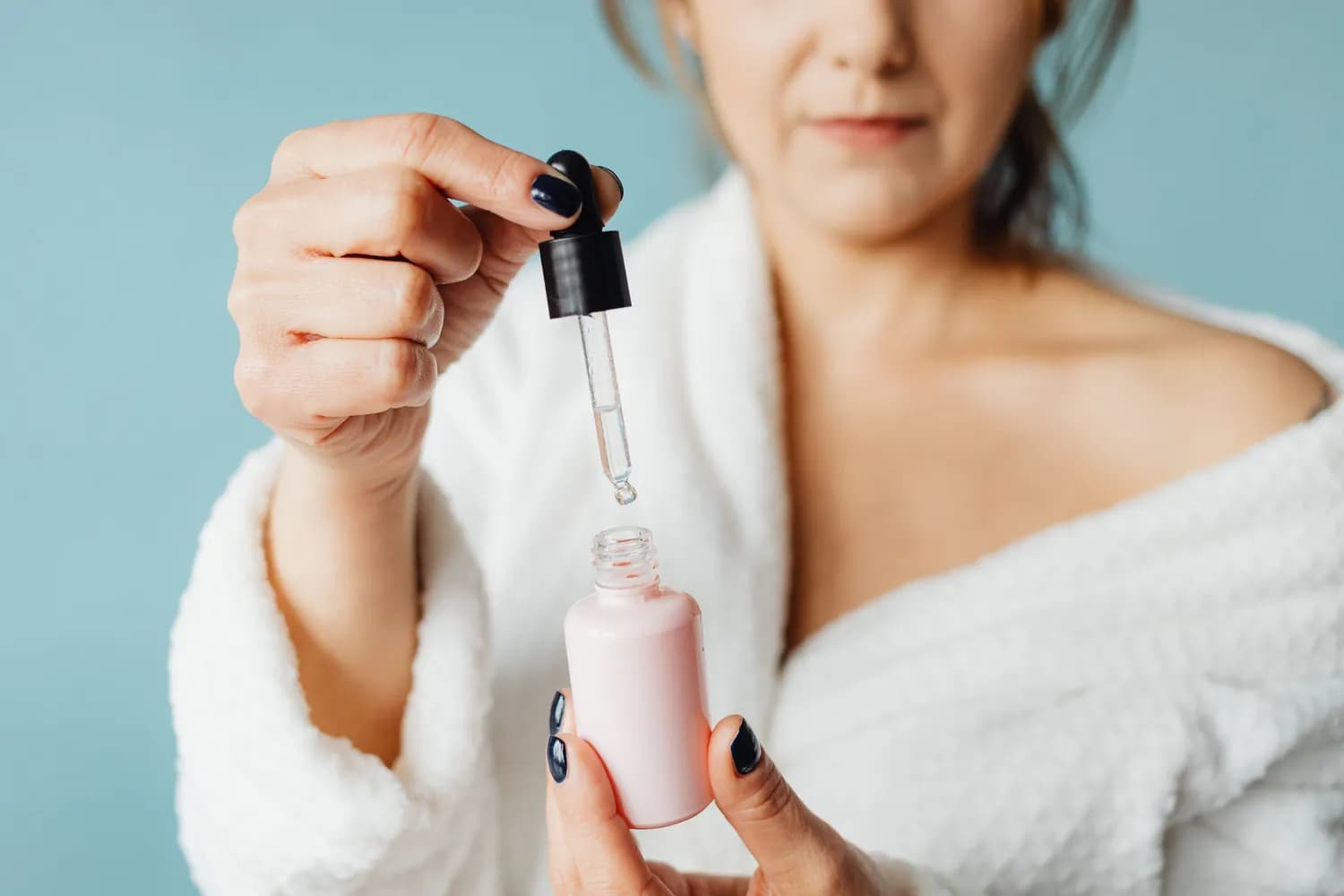
Beginner's Guide · Skincare
What Is Azelaic Acid? A Beginner's Guide to the Ingredient Everyone's Searching For
Azelaic acid is one of 2026's most searched skincare ingredients. Here's what it does, what the research supports, how to start using it and who should check with a dermatologist first.
· 4 min read
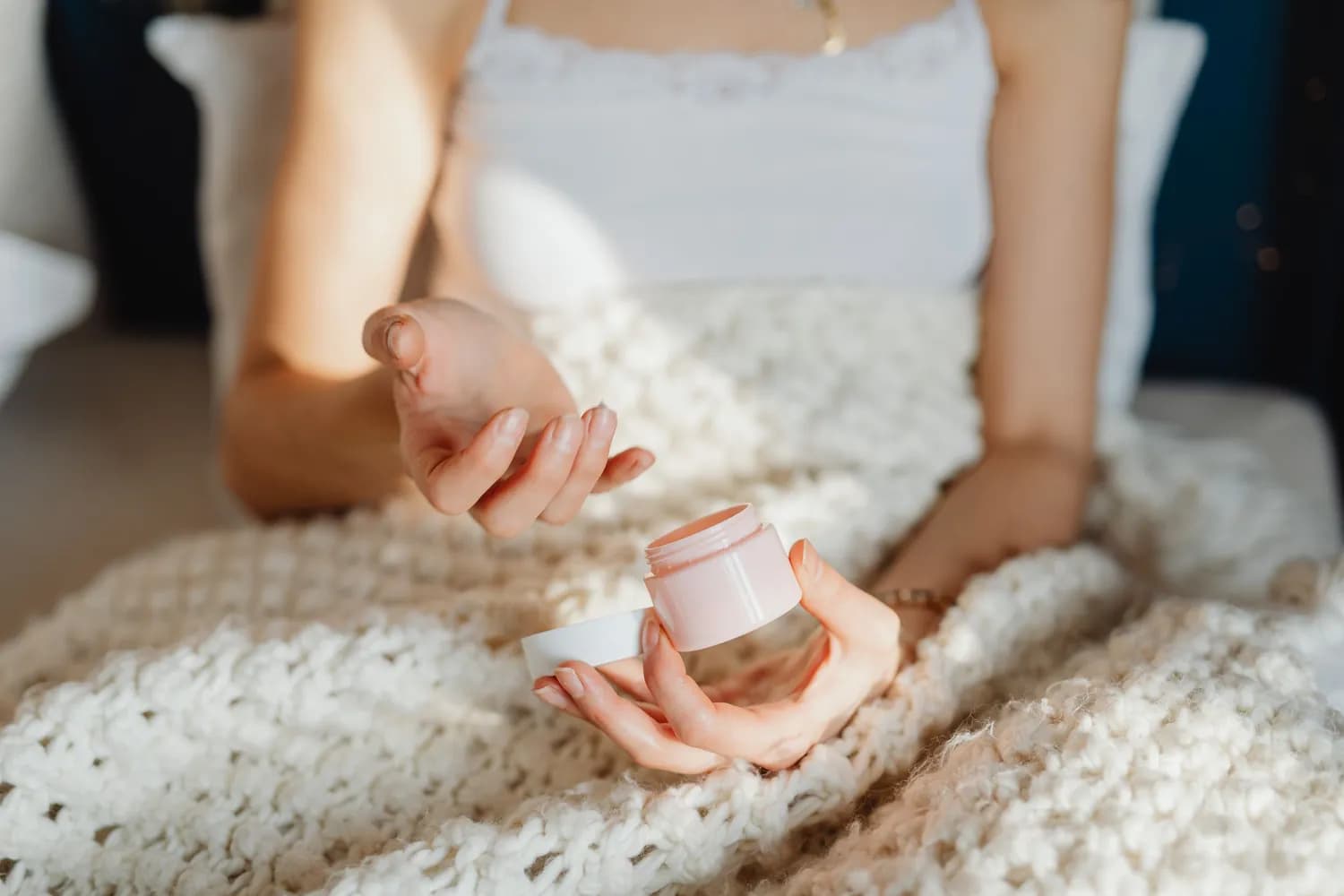
Routine · Skincare
Cold-Weather Skincare: How to Protect Your Skin Barrier This Fall and Winter
Fall 2026's biggest skincare trend is barrier recovery, not more actives. Here's a dermatologist-backed routine for dry, tight cold-weather skin, step by step.
· 3 min read
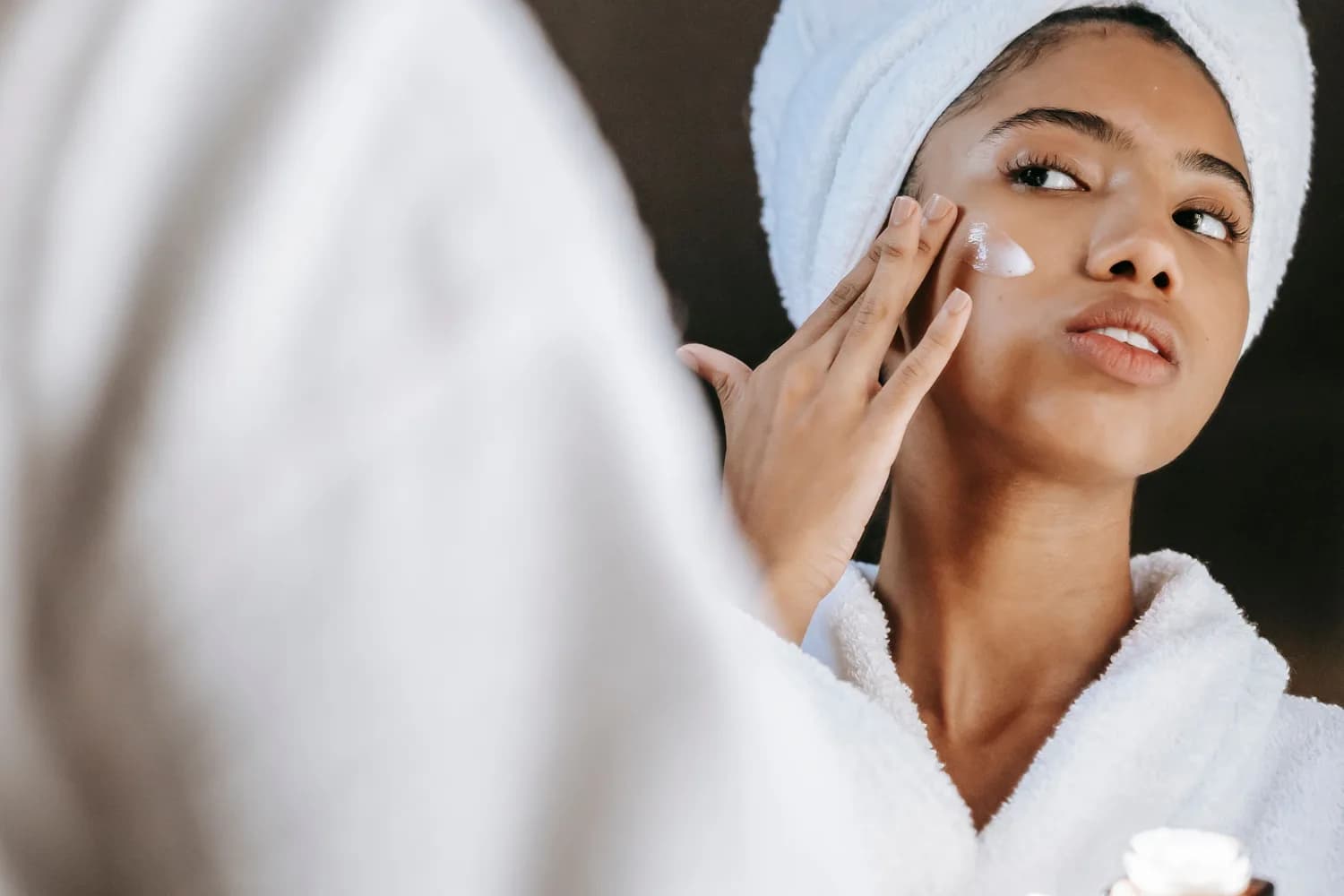
Routine · Skincare
How to Build a Simple Morning Skincare Routine
A morning routine doesn't need ten steps. Here's the dermatologist-recommended order, what each step is for, and how to add products without overwhelming your skin.
· 4 min read